




Why Do Road Bikes Need Handlebar Tape?
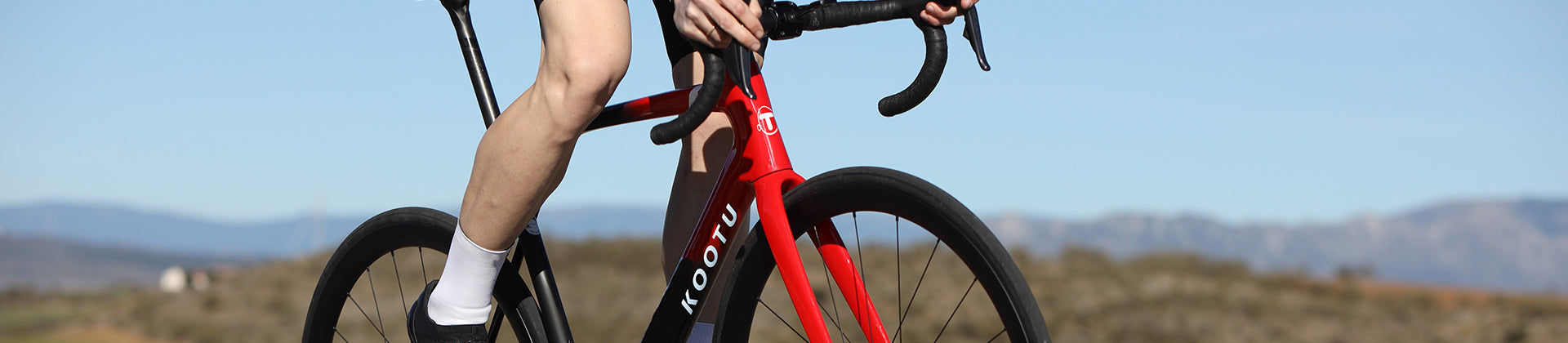
If you’ve ever looked closely at a road bike, you’ll notice the handlebars are wrapped with a soft, textured material. This is called handlebar tape (bar tape) and it’s far more important than it looks.
In this guide, we’ll explain why handlebar tape is essential, how it improves your ride, and how to choose the right type for your cycling style.

What Is Handlebar Tape?
Handlebar tape is a cushioned material wrapped around the drop handlebars of a road bike. It provides grip, comfort, and control, making it one of the most important contact points between you and your bike.
Key Benefits of Handlebar Tape
1. Improved Grip and Safety
One of the main purposes of handlebar tape is to increase grip.
Prevents slipping when your hands are sweaty or when riding in the rain
Gives you better control when braking or descending
Enhances confidence during fast or technical riding
👉 Without bar tape, handlebars can become dangerously slippery.
2. Shock Absorption and Comfort
Road surfaces aren’t always smooth. Handlebar tape helps to:
Absorb vibrations from rough roads
Reduce hand fatigue and numbness
Improve comfort on long rides
👉 This is especially important for endurance cyclists and long-distance rides.
3. Better Bike Control
A well-wrapped handlebar provides:
A more secure and stable hand position
Better responsiveness when steering
Increased control during climbs and descents
👉 More control = safer and more efficient riding.
4. Protection for the Handlebars
Handlebar tape also protects your bike:
Prevents scratches and wear on aluminum or carbon handlebars
Shields against sweat, which can cause corrosion over time
👉 It helps extend the lifespan of your cockpit components.
5. Style and Personalization
Beyond performance, handlebar tape is also a design element:
Available in different colors, textures, and finishes
Lets you customize the look of your bike
Adds a professional and polished appearance
What Happens If You Don’t Use Handlebar Tape?
Riding without handlebar tape is not recommended:
❌ Poor grip, especially in wet conditions
❌ Increased vibration and discomfort
❌ Higher risk of hand fatigue or numbness
❌ Less control and reduced safety
Types of Handlebar Tape
Choosing the right bar tape can significantly affect your riding experience.
1. EVA Foam Tape
- Lightweight and affordable
- Good for general use
2. Gel Handlebar Tape
- Extra cushioning for long-distance comfort
- Ideal for endurance riders
3. PU (Polyurethane) Tape
- Durable and easy to clean
- Offers a balance of grip and comfort
4. Cork Tape (Traditional)
- Classic feel and look
- Moderate cushioning
How to Choose the Right Handlebar Tape
When selecting bar tape, consider:
-
Thickness:
- Thicker = more comfort
- Thinner = better road feedback
-
Grip level:
- Textured or tacky surfaces improve control
-
Riding style:
- Racing → thinner, lighter tape
- Long rides → thicker, cushioned tape
-
Weather conditions:
- Wet climates benefit from high-grip materials
Pro Tips for Better Performance
- Replace your handlebar tape regularly (every 3–6 months depending on use)
- Wrap it properly for consistent grip and comfort
- Combine with padded gloves for maximum shock absorption
Final Thoughts
Handlebar tape may seem like a small detail, but it plays a major role in safety, comfort, and performance.
Whether you’re commuting, training, or racing, the right handlebar tape will help you ride more confidently and comfortably.


