



When Should You Raise Your Bike Handlebar Height?
Raising your bike’s handlebar height is one of the simplest adjustments you can make, yet it has a huge impact on comfort, control, and long-term riding enjoyment. Many cyclists assume that a lower handlebar position is always better, but in reality, the right handlebar height depends on your body, riding goals, and experience level.
In this guide, we’ll explain when you should raise your handlebar height, the signs to look for, and how to do it properly.

Why Handlebar Height Matters
Handlebar height directly affects your riding posture, weight distribution, and upper-body comfort. A handlebar position that’s too low can place excessive stress on your hands, wrists, shoulders, neck, and lower back.
While a low position may improve aerodynamics, it often comes at the cost of comfort, especially for recreational, endurance, or newer riders.
Signs You Should Raise Your Handlebar Height
1. Hand Numbness or Wrist Pain
If your hands start to feel numb after 20–40 minutes of riding, or your wrists feel strained, it’s often a sign that too much body weight is supported by your hands. Raising the handlebar reduces pressure and improves circulation.
2. Lower Back or Neck Pain
Persistent discomfort in the lower back, neck, or shoulders usually indicates that your torso angle is too aggressive. A slightly higher handlebar helps maintain a more neutral spine position.
3. Difficulty Breathing Comfortably
An overly low handlebar position can restrict chest expansion, making deep breathing difficult—especially during long rides or climbs. Raising the handlebar opens up the chest and improves breathing efficiency.
4. You Shift Forward While Riding
If you constantly slide forward on the saddle or feel the need to push yourself back, your reach and drop may be too aggressive. This often improves immediately with a higher handlebar position.
Who Benefits Most from a Higher Handlebar Position?
Raising handlebar height is especially beneficial for:
Beginner road cyclists
Riders transitioning from flat-bar or mountain bikes
Cyclists over 35 years old
Endurance and long-distance riders
Riders recovering from injury
Anyone prioritizing comfort over pure aerodynamics
For most non-competitive cyclists, comfort leads to longer rides, better consistency, and improved overall performance.
When You Might Not Need to Raise Your Handlebars
You may not need to adjust your handlebar height if:
You experience no discomfort during or after rides
You have excellent flexibility and core strength
You are training or racing competitively
Your current position feels stable and efficient
If your body feels fine, there’s no need to change for the sake of change.
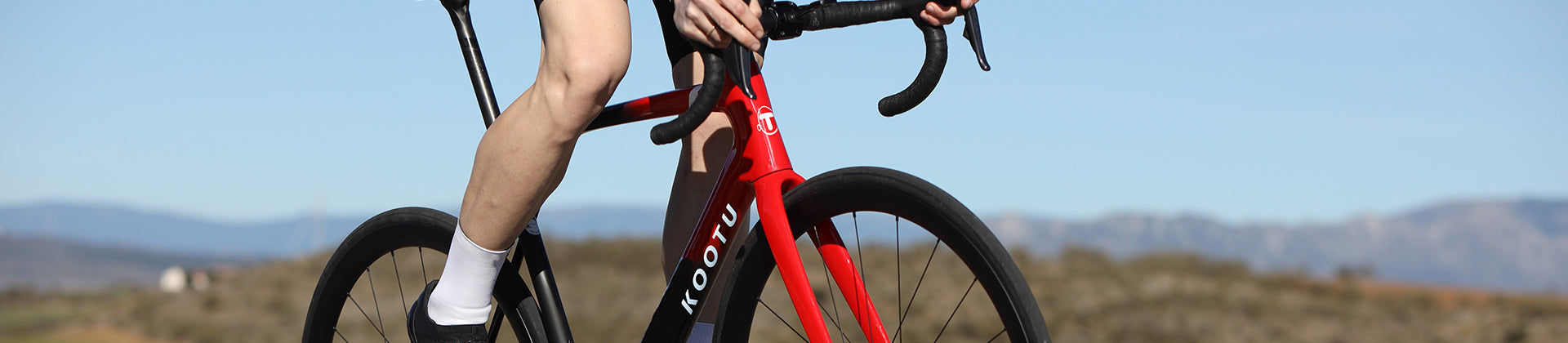
How to adjust the handlebar height on your KOOTU?
Purchase additional stem spacers from KOOTU, then stack them gradually until you find a comfortable handlebar height.
Final Thoughts
Raising your handlebar height isn’t a sign of poor fitness or lack of skill, it’s a smart adjustment that aligns your bike with your body. If you experience discomfort, numbness, or pain, a higher handlebar position could be the key to enjoying cycling more and riding better.
When in doubt, prioritize comfort first. Speed and performance will follow.


